
-
🔍 Like our community? You can tell Google to show you results from this site more often. Just Click Here and then click the empty checkbox on the right side of our name.
Pontiac Owners Group
As an Amazon Associate we earn from qualifying purchases.
What's on your mind?
Desperate for some advice, please do not reply with “take it a profession” or “take it to the shop” because that’s not going to happen. We cannot afford it! A few weeks ago we changed the fuel filter on our 2000 Pontiac Grand Am, we ran into a little bit of a problem with the retainer clip fitting and we broke the “blue clip” (even *after* watching videos on removing it!!!) . So we bought an “adapter” which I wasn’t too sure about to begin with. It was just a hollow tube that tapered at each end so it would fit tightly into the tubing – looking it up and trying to find a link to share, I see they are called “barbed” adapters. (Very similar to this http://ecx.images-amazon.com/images/I/51J0Cb0sUsL._AA1024_.jpg ). Anyway, this is not my current issue but I’m trying to find out if it might be. We cannot get the car to start. We have checked all the fuses, checked the spark plugs, and used starter fluid. With the starter fluid it seems to advance, meaning it sounds a little better than before the starter fluid but doesn’t officially start (Like I was told it should). We have been debating with the fuel pump for a while now and I’m back and forth between believing that is the cause and not the cause. You can hear it but some say that’s a good sign and others say that’s a sign it’s louder and ‘bad.’ If you ever had one of those old cars with the antenna that goes up in the back of a car, that’s exactly what the fuel pump sounds like. We have a new fuel pump but I would hate to go through all that and that’s not the problem, I’m not so convinced it is. The only other thing we can do is get a fuel pressure gauge but if it won’t start then…I am desperate for some answers here. I’m trying to include everything I can think of but I’m sure I’ve missed something. Please HELP! Oh and I guess I should mention that it does try to turnover but doesn’t. I’m convinced it’s the fuel somewhere but I’m not sure how to tell where. Wondering if that stupid barbed adapter could have clogged that early, or what??? Feel free to probe for more information, thanks!
5 Replies
·
1788 views

Bill Pearce
Does anyone know of expert repair shop or individuals near Lansing Michigan for Solstice top broken cable issue ?
1 Replies
·
9 views

Ross D
what brand exhaust system for stock 1967 GTO
1 Replies
·
36 views
People,
Replacing both above, and manual says remove "retaining clip" from under dash area, but there is another type of plastic retainer, hard to describe. Anyone ever do this? are there TWO clips to remove under the dash, at the clutch pedal pivot point? Both Shop manual and Haynes are not very good explaining this.
Replacing both above, and manual says remove "retaining clip" from under dash area, but there is another type of plastic retainer, hard to describe. Anyone ever do this? are there TWO clips to remove under the dash, at the clutch pedal pivot point? Both Shop manual and Haynes are not very good explaining this.
7 Replies
·
122 views

Hi all — working through a resto-mod build on a 1964 Catalina 2+2 convertible that’s been sitting about 10 years. Doing most of the labor myself as a novice, going disc brakes/EFI/modern wiring while keeping the classic look. Car specs: 389 bored to 400ci, automatic (confirmed Roto Hydra-Matic “Slim Jim” via the P-R-N-D-S-L shift pattern), factory power steering and A/C, solid frame/no rust, currently on factory 8-lug wheels.
Trying to nail down a few things before I start ordering parts and want to get them all out in one post rather than trickle them in. Any help appreciated:
1. Torus/converter drain — does the Roto Hydra-Matic (Slim Jim) have a separate drain plug for the torus/fluid coupling, accessible behind the flywheel housing, distinct from the pan drain? I’ve found conflicting info online (some sources say no torque converter at all, others describe an internal fluid coupling that functions like one) and want to know if I’m missing a fluid volume when I service the pan.
2. Rear axle bolt pattern — switching the front to 5-lug (5x4.75”) for a disc brake conversion and need to confirm what the rear axle bolt pattern actually is on a 1964 full-size Catalina. Is it the same 5x4.75”, a 5x5” pattern, or does it share the front’s 8-lug-specific design? Want to confirm before ordering wheels.
3. 8-lug to 5-lug hub question — for anyone who’s done this exact conversion: did your front disc brake kit (Master Power Brakes Legend Series, specifically) come with new 5-lug hubs, or did you have to source those separately? Trying to confirm before I call them directly.
4. Alternator bracket fit — anyone running a Powermaster 1-wire 100+ amp alternator (10SI case, part 17294) on a 1964 specifically? Seeing conflicting info on whether the mounting bracket is correct for 1964 vs. only 1965+.
5. Positraction (Safe-T-Track) ID — what does the actual tag/stamping look like and where exactly is it on the differential cover for a 1964 Catalina? Want to know what I’m looking for before I’m under the car.
6. Distributor gear material — anyone confirm cast iron vs. steel distributor gear on a stock (non-aftermarket-cam) 1964 389/400? Planning to run a Holley HyperSpark distributor (cast gear) and want to confirm this matches a factory cam.
Thanks in advance — happy to share more details on the build if helpful, and will post progress as this moves along.
Trying to nail down a few things before I start ordering parts and want to get them all out in one post rather than trickle them in. Any help appreciated:
1. Torus/converter drain — does the Roto Hydra-Matic (Slim Jim) have a separate drain plug for the torus/fluid coupling, accessible behind the flywheel housing, distinct from the pan drain? I’ve found conflicting info online (some sources say no torque converter at all, others describe an internal fluid coupling that functions like one) and want to know if I’m missing a fluid volume when I service the pan.
2. Rear axle bolt pattern — switching the front to 5-lug (5x4.75”) for a disc brake conversion and need to confirm what the rear axle bolt pattern actually is on a 1964 full-size Catalina. Is it the same 5x4.75”, a 5x5” pattern, or does it share the front’s 8-lug-specific design? Want to confirm before ordering wheels.
3. 8-lug to 5-lug hub question — for anyone who’s done this exact conversion: did your front disc brake kit (Master Power Brakes Legend Series, specifically) come with new 5-lug hubs, or did you have to source those separately? Trying to confirm before I call them directly.
4. Alternator bracket fit — anyone running a Powermaster 1-wire 100+ amp alternator (10SI case, part 17294) on a 1964 specifically? Seeing conflicting info on whether the mounting bracket is correct for 1964 vs. only 1965+.
5. Positraction (Safe-T-Track) ID — what does the actual tag/stamping look like and where exactly is it on the differential cover for a 1964 Catalina? Want to know what I’m looking for before I’m under the car.
6. Distributor gear material — anyone confirm cast iron vs. steel distributor gear on a stock (non-aftermarket-cam) 1964 389/400? Planning to run a Holley HyperSpark distributor (cast gear) and want to confirm this matches a factory cam.
Thanks in advance — happy to share more details on the build if helpful, and will post progress as this moves along.
0 Replies
·
32 views
Butch Prof
Have 1967 Bonne. Back tires are 225-70-15 . Does anyone know backspace , so I can run with fender skirts on ? Please help
1 Replies
·
27 views
Mark gregory
Looking for a set of headers for the 455 in a 73 pontiac Grandville..d port heads 5 inch center bolt pattern have elderbrock heads on it
1 Replies
·
33 views
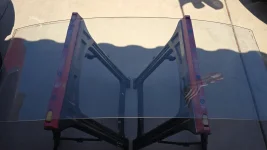
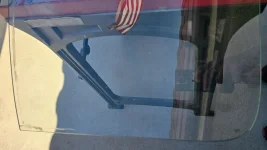
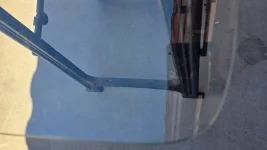
Rear glass for a 1967 Pontiac Firebird 400 coup. I believe it is the original. Minor scratches, no cracks or chips. I had to have someone come pull and reseal it, so I had it changed at the same time. But I shouldn't have, it cleaned up nicely. $95 local pickup (LAS Vegas).
Fits 1967, 1968, and1969 Pontiac Firebird Coups, and 1967 to 1969 Chevy Camaro.
Fits 1967, 1968, and1969 Pontiac Firebird Coups, and 1967 to 1969 Chevy Camaro.



0 Replies
·
96 views

Clean Ventura For Sale at a dealership...

Doug in P.R.

Doug in P.R.
0 Replies
·
58 views
Roman
Hi there im looking at buying a 2009 vibe with 83k miles, it has the 2.4 motor and is an awd model. Theyre asking about 6000 bucks, is this a good deal and how can i find out if the oil consumption issues were addressed in this model
1 Replies
·
52 views
If you're talking about the golden era of American performance sedans, you can't have the conversation without bowing down to the Pontiac Grand Prix. For decades, it wasn't just a car - it was an attitude. While other brands were busy building beige appliances for the masses, Pontiac was out here dropping superchargers and V8 engines into daily drivers. They built excitement, and the Grand Prix was the beating heart of that promise.
Today, we're taking a look back at the legendary run of the Grand Prix, right up to the bitter end, with a massive spotlight on the final, glorious chapters - the Grand Prix GXP, and the ultimate rear wheel drive spiritual successors that picked up the torch: the G8 GT and G8 GXP.
But as the years rolled on and fuel crises hit, the industry changed. Cars got smaller. By the time we hit the late 1980s and 1990s, the Grand Prix had shifted to a mid-size front wheel drive platform. A lot of purists groaned, but Pontiac didn't give up on performance. They just changed the formula.
You didn't just drive a GTP - you unleashed it. The supercharger whine was intoxicating. Sure, it was front wheel drive, and yeah, it had some plastic in the interior, but who cared? When you mashed the throttle, the torque steered you right into the back of your seat. It was affordable, it was aggressive, and it was undeniably Pontiac.
With 303 horsepower and 323 pound feet of torque, this thing was an absolute monster. But putting 300 horses through the front wheels usually means you'll be wrestling torque steer (fish-nosing) into the nearest ditch. Pontiac's engineers were too smart for that. They pulled an industry first - they staggered the tires the wrong way. They put massive 255 series rubber on the front wheels and 225 series on the rear.
It sounded crazy, but it worked. The wider front tires bit into the pavement, soaking up the torque and killing understeer, while Bilstein shocks kept the chassis flat. The Grand Prix GXP could rip off a quarter mile in the low 14 second range, sound like a traditional muscle car, and still carry your kids to school. It didn't just go head to head with the Dodge Charger R/T - it made a very strong case for being the smarter, sharper weapon.
While it didn't wear the Grand Prix badge, the G8 was the ultimate realization of what Grand Prix fans had been begging for - a proper, rear wheel drive, full-size muscle sedan. Borrowing the brilliant Zeta platform from Holden in Australia, the G8 was an absolute masterpiece.
The G8 GT dropped a 6.0 liter V8 under the hood, pumping out 361 horsepower. It was an instant classic. It looked mean with its flared fenders and quad exhaust, and it drove like a dream. It went toe to toe with the BMW 5-Series, offering 90 percent of the German driving dynamics for half the price. The six speed automatic shifted beautifully, and the car flat out dominated the highway.
But the absolute king of the hill - the car that still commands absolute respect today - is the 2009 G8 GXP. Pontiac shoehorned the 6.2 liter LS3 V8 straight out of the Corvette into the engine bay. We're talking 415 horsepower and 415 pound feet of torque. And the best part? You could finally get it with a Tremec six speed manual transmission.
The G8 GXP was a revelation. It hit 60 mph in 4.7 seconds. It had massive Brembo brakes that could rip your face off when you hit the pedal. The suspension was dialed in to perfection. When you dropped the clutch and laid a patch of rubber down the road, you knew you were driving the absolute pinnacle of the modern Pontiac brand. It out handled the Charger SRT8, out ran the Nissan Maxima, and out comforted a lot of luxury cars.
If you own a Grand Prix GTP, a Grand Prix GXP, or you're lucky enough to have the keys to a G8 GT or G8 GXP, you know exactly what I'm talking about. These aren't just cars. They're a tribute to an era when an American car company wasn't afraid to take risks, bend the rules, and put a massive smile on the driver's face.
The name might be gone, but the rumble of those V8s and the whine of those superchargers will echo on the streets forever. Pontiac built excitement, and we'll never forget it.
Today, we're taking a look back at the legendary run of the Grand Prix, right up to the bitter end, with a massive spotlight on the final, glorious chapters - the Grand Prix GXP, and the ultimate rear wheel drive spiritual successors that picked up the torch: the G8 GT and G8 GXP.
The Birth of Personal Luxury and Muscle
Let's rewind the clock. When the Grand Prix first hit the streets in 1962, it was a full-size revelation. It took the guts of a Catalina and wrapped them in a tailored suit. It wasn't just another land yacht - it was a driver's car. Over the next couple of decades, it helped define the personal luxury segment. We saw massive cubic inch engines, long hoods, and aggressive grilles that let the Mercedes-Benz and BMW crowd know that America wasn't messing around.But as the years rolled on and fuel crises hit, the industry changed. Cars got smaller. By the time we hit the late 1980s and 1990s, the Grand Prix had shifted to a mid-size front wheel drive platform. A lot of purists groaned, but Pontiac didn't give up on performance. They just changed the formula.
The 3.8 Liter Supercharged Monster
Enter the 1990s and early 2000s. If you were a car enthusiast back then, you absolutely remember the Grand Prix GTP. Pontiac took the rock solid 3800 Series II V6, bolted an Eaton supercharger to the top of it, and created a street terror. With 240 horsepower on tap - and eventually more - this car was blowing the doors off the Ford Taurus SHO and making a lot of European sedans look silly at the stoplight.You didn't just drive a GTP - you unleashed it. The supercharger whine was intoxicating. Sure, it was front wheel drive, and yeah, it had some plastic in the interior, but who cared? When you mashed the throttle, the torque steered you right into the back of your seat. It was affordable, it was aggressive, and it was undeniably Pontiac.
The Grand Prix GXP: V8 Power Meets Front Wheel Drive
By 2005, the horsepower wars were heating up, and Pontiac decided the supercharged V6 wasn't enough. They wanted a V8. The problem? The Grand Prix was still built on a front wheel drive architecture. The engineers didn't flinch. They grabbed an all aluminum 5.3 liter LS4 V8, jammed it sideways under the hood, and gave birth to the Grand Prix GXP.With 303 horsepower and 323 pound feet of torque, this thing was an absolute monster. But putting 300 horses through the front wheels usually means you'll be wrestling torque steer (fish-nosing) into the nearest ditch. Pontiac's engineers were too smart for that. They pulled an industry first - they staggered the tires the wrong way. They put massive 255 series rubber on the front wheels and 225 series on the rear.
It sounded crazy, but it worked. The wider front tires bit into the pavement, soaking up the torque and killing understeer, while Bilstein shocks kept the chassis flat. The Grand Prix GXP could rip off a quarter mile in the low 14 second range, sound like a traditional muscle car, and still carry your kids to school. It didn't just go head to head with the Dodge Charger R/T - it made a very strong case for being the smarter, sharper weapon.
Passing the Torch: The G8 GT and GXP
In 2008, Pontiac retired the Grand Prix nameplate. It was the end of an era, but Pontiac wasn't going quietly into the night. They brought us the G8.While it didn't wear the Grand Prix badge, the G8 was the ultimate realization of what Grand Prix fans had been begging for - a proper, rear wheel drive, full-size muscle sedan. Borrowing the brilliant Zeta platform from Holden in Australia, the G8 was an absolute masterpiece.
The G8 GT dropped a 6.0 liter V8 under the hood, pumping out 361 horsepower. It was an instant classic. It looked mean with its flared fenders and quad exhaust, and it drove like a dream. It went toe to toe with the BMW 5-Series, offering 90 percent of the German driving dynamics for half the price. The six speed automatic shifted beautifully, and the car flat out dominated the highway.
But the absolute king of the hill - the car that still commands absolute respect today - is the 2009 G8 GXP. Pontiac shoehorned the 6.2 liter LS3 V8 straight out of the Corvette into the engine bay. We're talking 415 horsepower and 415 pound feet of torque. And the best part? You could finally get it with a Tremec six speed manual transmission.
The G8 GXP was a revelation. It hit 60 mph in 4.7 seconds. It had massive Brembo brakes that could rip your face off when you hit the pedal. The suspension was dialed in to perfection. When you dropped the clutch and laid a patch of rubber down the road, you knew you were driving the absolute pinnacle of the modern Pontiac brand. It out handled the Charger SRT8, out ran the Nissan Maxima, and out comforted a lot of luxury cars.
A Legacy That Never Dies
It's a crying shame that GM killed Pontiac. When the brand was shuttered, it felt like a massive piece of American car culture was ripped away from us. They were building the best driving, best value performance sedans on the market.If you own a Grand Prix GTP, a Grand Prix GXP, or you're lucky enough to have the keys to a G8 GT or G8 GXP, you know exactly what I'm talking about. These aren't just cars. They're a tribute to an era when an American car company wasn't afraid to take risks, bend the rules, and put a massive smile on the driver's face.
The name might be gone, but the rumble of those V8s and the whine of those superchargers will echo on the streets forever. Pontiac built excitement, and we'll never forget it.
0 Replies
·
63 views